Field note · Queen St E · 07.11.2026
The spoon under the cup
Every café on the street serves espresso the same way, and almost every customer fixes it the same way before walking to a table.
Sample post: the example that ships with the Suri design system. Its observations, counts and dates are invented to show the format. futureshock.ai
The cup arrives on its saucer with the spoon lying loose beside it. Then, in a move so quick most people would deny making it, the customer tucks the spoon under the cup’s foot, picks up the saucer and walks.
Nobody taught them. The saucer has no place for the spoon, so people made one. It is the kind of act Jane Fulton Suri called thoughtless: not careless, but done without thinking, and full of information about what the object fails to do.
What I saw
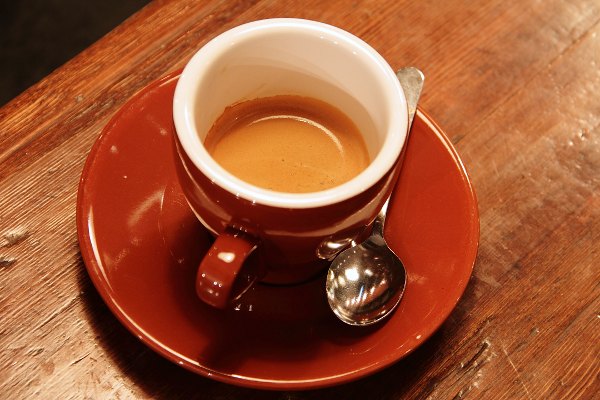
- 1The spoon is wedged under the cup’s foot, so it can’t slide off on the walk to the table.
- 2Handle turned left. Served that way, or turned by the person carrying it?
- 3The saucer’s rim, not the table, catches the drip.
- 4Crema untouched: photographed before the first sip.
Steadying before moving
Thirty-one of the forty customers I watched wedged the spoon before lifting the saucer. Six left it loose and four of those lost it on the way. The three who took the cup off the saucer entirely were all regulars standing at the bar.
If the saucer had a notch for the spoon, or the spoon a hook for the cup, nobody would need to improvise. A café that buys new crockery could test both in an afternoon.
Patterns
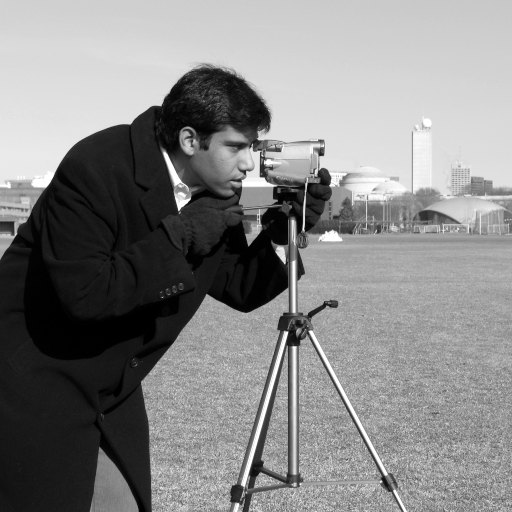
Steadying shows up wherever something has to move without spilling, slipping or falling over. The photographer plants the tripod before the shot; the coffee drinker plants the spoon before the walk.
This month
Other acts from the same study, by what people were doing.
Next week: the same three cafés, watching where people put the cup down.